The Journal — Entry 03 / Guide
What Professional Car Detailing Actually Includes
Maintenance washing versus comprehensive detailing, explained.
5 min read
A wash is not a detail
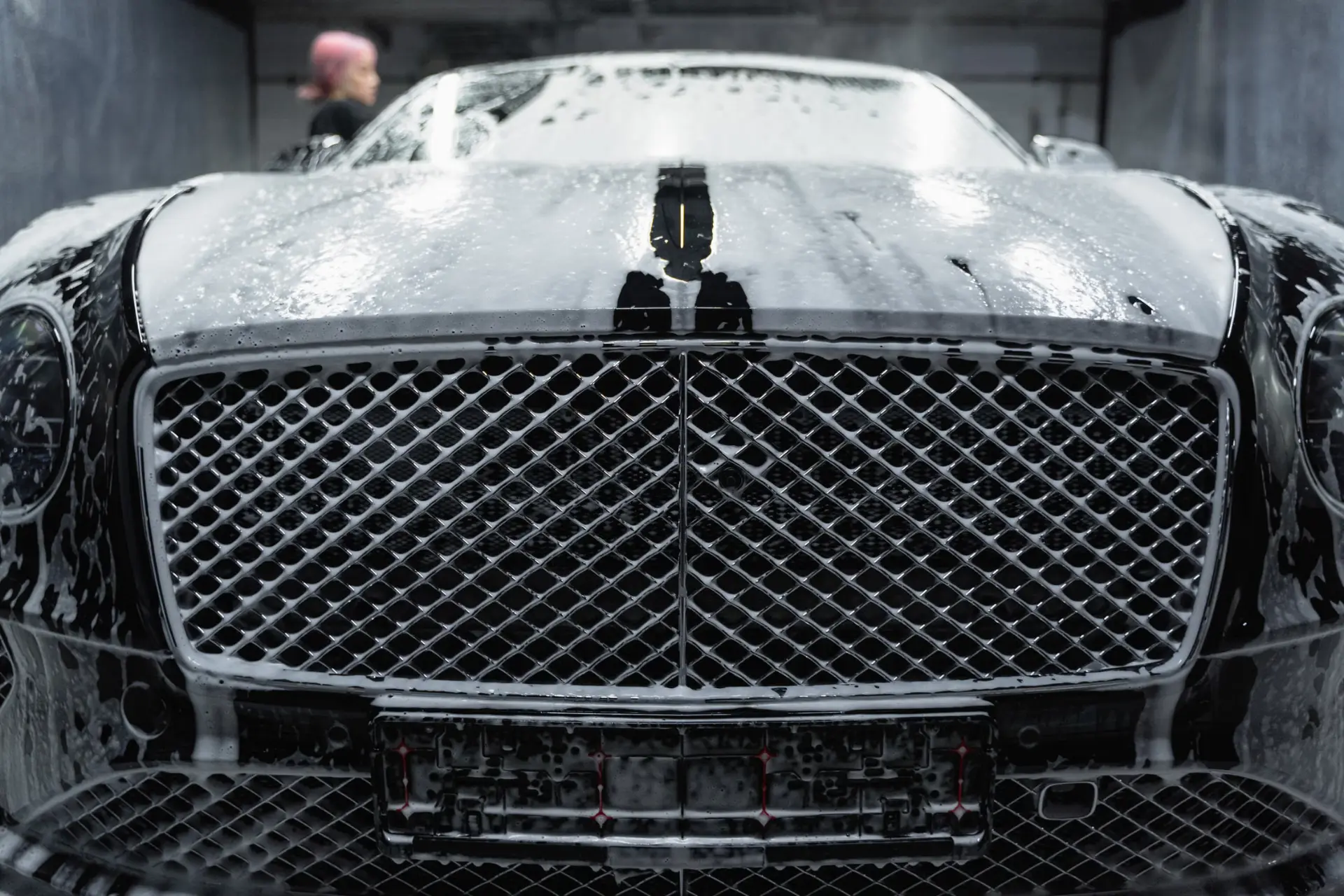
A wash maintains. A detail restores. The tunnel down the road removes loose dirt; it will not return a finish dulled by years of sun, or lift the film that builds on interior plastics and glass.
Detailing is the deeper work: decontamination, correction, protection, and a cabin cleaned to a standard a wash never attempts.
What a comprehensive detail covers
On the outside: a careful hand wash, chemical or mechanical decontamination of bonded contamination, machine polishing where the paint needs it, and a protective layer that sheds water and buys the finish time.
On the inside: a full vacuum including under the seats, extraction or steam where fabric needs it, cleaned and conditioned leather, trim dressed but never greasy, and glass polished inside and out.
The difference shows over months, not days
A freshly washed car and a freshly detailed car can look similar on day one. Months later the difference is obvious: protected paint sheds dirt and water, stays easier to clean, and does not fade the way unprotected paint does.
This is why a thorough detail twice a year, with maintenance in between, costs less over time than neglect that eventually needs correcting.
How often is right
There is no universal answer — it depends on where the vehicle lives, how often it is driven, and how it is stored. A garaged weekend car needs less than a daily driver parked under trees.
A reasonable rhythm for most vehicles: a comprehensive detail twice a year, with maintenance washes in between.
Questions about your own vehicle? The house is happy to advise.